 |
Virginia Society |
 |
Login Container
|
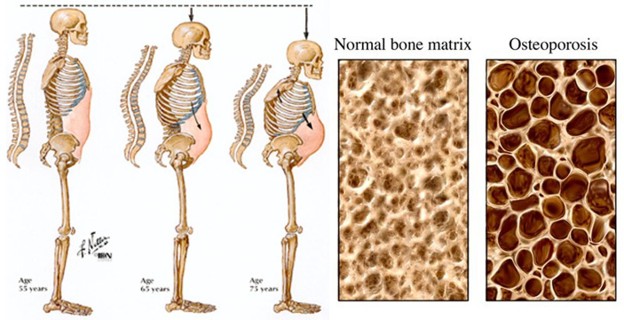
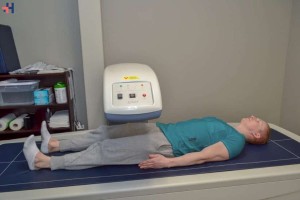
Bone Health for Men Over 50 Have you checked for signs of aging in the mirror lately? My muscles look smaller, my skin is thinner, hair is whiter and my belly - well no need to point out the obvious. But, what is not obvious is our internal aging and here I refer to loss of skeletal strength which is one of the less talked about consequence of aging in men. While 75% of osteoporosis (reduced mineralization of bone) occurs in women, 25% of men will also experience it and it is projected to increase in the next 15 years. The consequences are instability of movement, bone fractures, and increased risk of chronic disease. Suspect a Problem?: We men are pretty much “delayers” when it comes to early warning signs. We watch and wait for more signs when we should be seeking medical care. Testing is easy and painless. Take an inventory of your risk factors. Risk Factors: Age greater than 70, physical inactivity, low body weight (BMI below 20-25), use of corticosteroids, loss of androgen (testicle removal or “male menopause”), loss of height, and weight loss >10% are notable factors of high risk. Hip, spine, shoulder and wrist pain can be early warning signs, especially when a family history of osteoporosis is present. Localized bone loss in the jaw causes loss of teeth and this could be a clue to a more systemic problem. Falls with resultant fractures point to a weakened bone structure that is unable to resist trauma. Intervention: is critical to prevent further deterioration. Your physician can order a screening bone density scan to assess for osteopenia (early bone loss) or osteoporosis. This test will be a guide for any needed medication interventions. Prevention: Weight-bearing exercises and resistance exercises are tools we should be using for a healthier lifestyle and stronger bones. This includes walking, jogging, pickle ball, tennis, cycling, etc. Check yourself with a step counter and try to walk at least 2 miles per day. Improve your balance with exercises in a pool (water aerobics) or training in yoga or tai chi - research has shown these activities prevent falls. Pay attention to your nutrition eating a diet rich in vegetables, fruits, and healthy fats. If you are not taking in at least 1200 mg per day of calcium, use a vitamin supplement. Vitamin D is needed to absorb calcium and many of us aren’t in the sun enough to get it naturally; choose a vitamin supplement with 1000 units per day. Watching and waiting will not improve your skeletal strength and skeletal strength is a tremendous asset in the aging body. Get moving and eating properly. Avoid the consequences of osteoporosis. Medical Tip from Charles Driscoll, MD VASSAR State Surgeon ———————————————————————————————
DEXA bone density scan
|